


Agarwood incense usually centers on a deep woody scent with a noticeable resinous character. Depending on the material and finished blend, it may also smell warm, spicy, balsamic, earthy, lightly smoky, or softly sweet. It does not have one fixed scent, and it is not simply a stronger version of sandalwood.
If you are buying it for the first time, look beyond the word agarwood or oud on the label. A useful product description should tell you what the finished incense smells like, what goes into the blend, how long it burns, and which holder it needs. For most beginners, a stick is the easiest place to start. Coils are better suited to longer sessions, while backflow cones add a visual smoke effect and require a compatible burner.
What Is Agarwood Incense?
Agarwood is the fragrant, resin-rich wood that can form in Aquilaria, Gyrinops, and related trees after wounding, infection, or other forms of stress. This aromatic material is not a uniform feature of every tree, and the formation process does not happen in exactly the same way each time. A scientific review of agarwood formation and aroma describes a complex process shaped by tree species, environmental conditions, and several kinds of stress.
Finished agarwood incense is a separate product. Sticks, coils, and cones are usually formulated and shaped for burning. A blend may combine agarwood powder or an agarwood-derived aromatic ingredient with other wood powders, botanical extracts, and plant-based binders. The phrase agarwood incense can identify the main scent direction or an important material, but it does not prove that a product contains only agarwood or reveal an exact percentage.
You may also see the names oud, aloeswood, or eaglewood. In fragrance and incense markets, these terms often point to agarwood or an aroma associated with it. An oud incense label, however, might refer to raw material, oil, an aromatic ingredient, or simply a fragrance style. Check the ingredient and format information instead of relying on the name alone.
What Does Agarwood Incense Smell Like?
The clearest short answer is that agarwood incense tends to smell deep, woody, and resinous, with possible dry, spicy, balsamic, earthy, smoky, or softly sweet facets.
Those are possible directions, not a checklist that every product must match. A study of three cultivated Qi-Nan agarwood samples found distinctly different aromatic profiles. One emphasized a sweet sandalwood-like odor, another was more clearly woody, and a third combined woody, spicy, and balsamic characteristics. The aroma-active compound study published in Flavour and Fragrance Journal helps explain why a single universal description would be misleading.
Once a finished incense product is lit, its supporting materials and the smoke from burning also become part of the experience. The unlit stick or cone can give you a preview, but it cannot tell you exactly how the fragrance will develop while burning. Room size, airflow, distance from the incense, and personal sensitivity can all affect whether the same product seems deep, sweet, dry, or smoky.
Agarwood vs. Sandalwood: How Do the Scents Differ?
Both belong to the broad family of woody scents, but they often emphasize different qualities. This comparison is a starting point for shoppers, not a rule that applies to every formula.
| What to compare | Agarwood incense often leans toward | Sandalwood incense often leans toward |
|---|---|---|
| Woody character | Deeper, darker, and more resinous | Softer, rounder, and often creamier |
| Possible nuances | Dry wood, spice, balsamic depth, earth, smoke, or restrained sweetness | Warm wood, gentle sweetness, and a smoother, more even profile |
| First impression | May feel more layered and take longer to understand | Often feels more familiar and immediately approachable |
| What to check before buying | Whether the source and finished blend are described clearly | Whether you enjoy a softer, creamier style of wood fragrance |
MORI TASTE's current agarwood products follow this general distinction. For more context on the softer profile, read our guide to sandalwood incense. Ancient Rainforest is described as deep, refined, woody, and resinous. Island Oud moves toward a deeper, more layered resinous wood scent with less sweetness. These descriptions apply to the brand's current formulas; they do not mean that every agarwood incense is stronger or better than every sandalwood incense.
Why Do Agarwood Incense Products Smell Different?
1. The agarwood material itself can vary
Tree species, formation conditions, geographic origin, and resin composition can all influence the volatile compounds in agarwood. Research comparing agarwood from different regions and grades has also found differences in chemical and aroma profiles. A 2024 study on aroma across agarwood regions and grades documents that variation. Origin is still only one part of the picture; a country name by itself does not prove quality, purity, or authenticity.
2. Finished incense is a formula, not a copy of one piece of wood
Brands may use agarwood powder, agarwood-derived aromatic ingredients, other wood powders, botanical extracts, and binders. Changes in the formula can affect sweetness, smoke character, how broadly the scent spreads, and how evenly the incense burns. A useful product page explains the finished product in concrete terms instead of relying only on vague labels such as premium oud.
3. The format changes the pace of the experience
Sticks, coils, and backflow cones do not automatically turn agarwood into three unrelated fragrances. They do change burn time, smoke movement, the pace of scent release, the holder you need, and the amount of cleanup. A short backflow-cone session will feel different from a coil that burns for more than an hour, even when both share a deep woody direction.
4. Your room and your sense of smell matter
The same incense may feel more concentrated in a small room and more dispersed in a larger or more ventilated space. Someone who is sensitive to smoke may notice the combustion note before subtler parts of the fragrance. For a first trial, burn one stick, coil, or cone in an appropriately ventilated room. This gives you a clearer impression than lighting several pieces at once.
Which Agarwood Incense Format Should a First-Time Buyer Choose?
MORI TASTE currently offers agarwood incense as sticks, coils, and backflow cones. Each form suits a different amount of time, type of holder, and reason for burning incense.
| Format | MORI TASTE reference burn time | Holder needed | Best suited to | Main limitation |
|---|---|---|---|---|
| Stick | Circa 30–60 minuti | A stable stick holder with a full-length ash catcher | A first-time buyer who wants to focus on scent without a special smoke effect | Falling ash requires enough protected space; the burn must be supervised |
| Coil | Circa 90–120 minuti | A heat-resistant burner that fully supports the coil and catches ash | Someone who already enjoys deep woody scents and can stay nearby for a longer session | Not a good choice if you will soon leave the room or go to bed |
| Backflow cone | Circa 10–15 minuti | A compatible backflow burner with aligned smoke openings | Someone who already has the right burner and wants a short scent-and-smoke display | A regular holder cannot create the full backflow effect; alignment and cleaning matter |
Sticks: the simplest starting point for most beginners
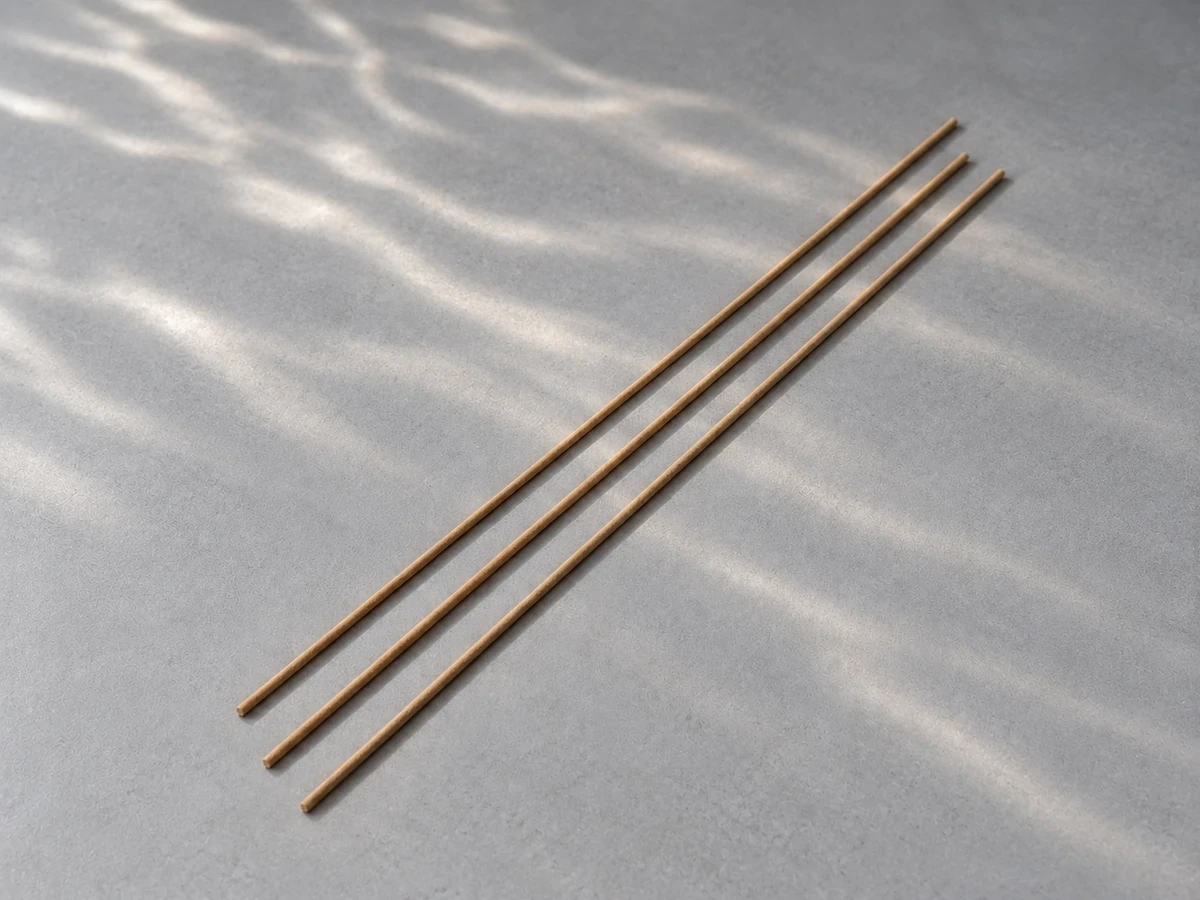
A stick keeps the first decision fairly simple. Choose a product with a specific scent description, secure it in a stable holder, and use an ash-catching tray long enough to cover the fall path. The medium-length session gives you time to notice how the fragrance develops without committing to the longer burn of a coil or the equipment needed for backflow smoke.
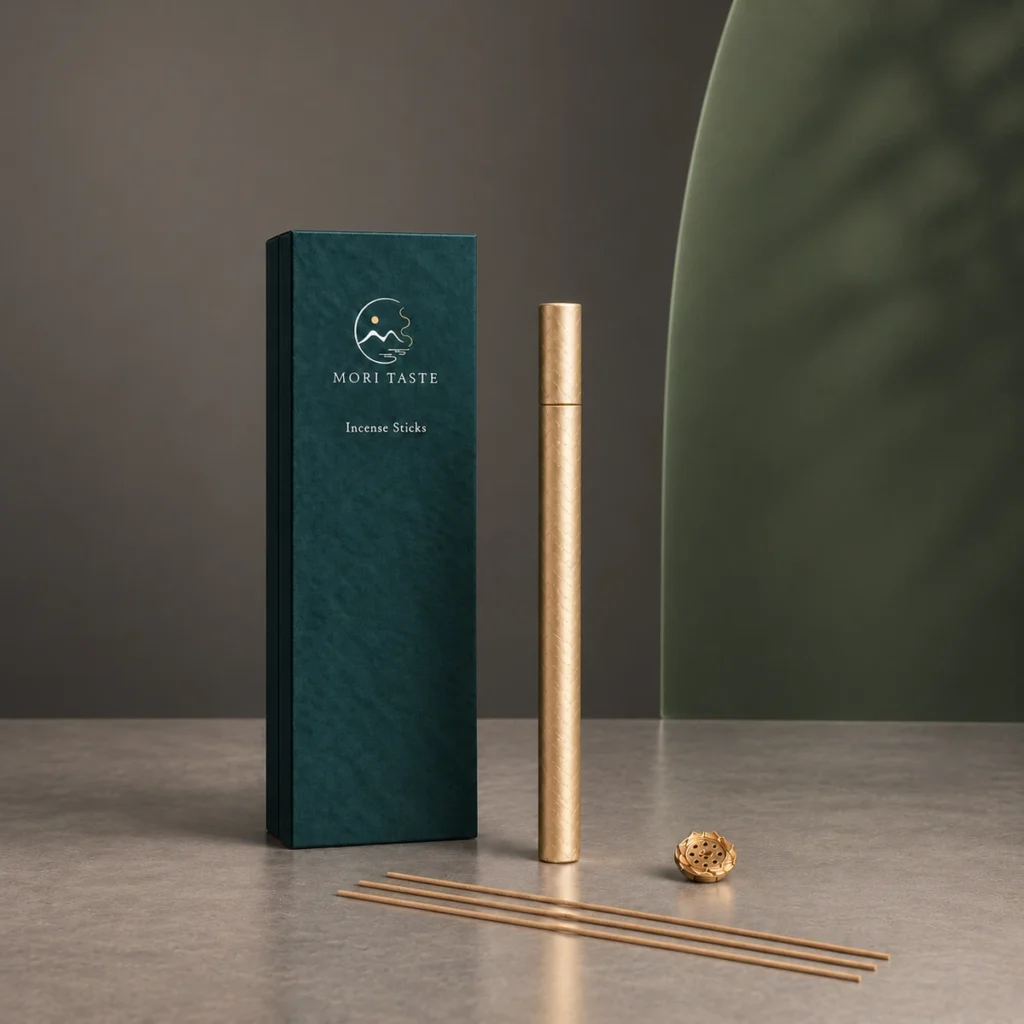
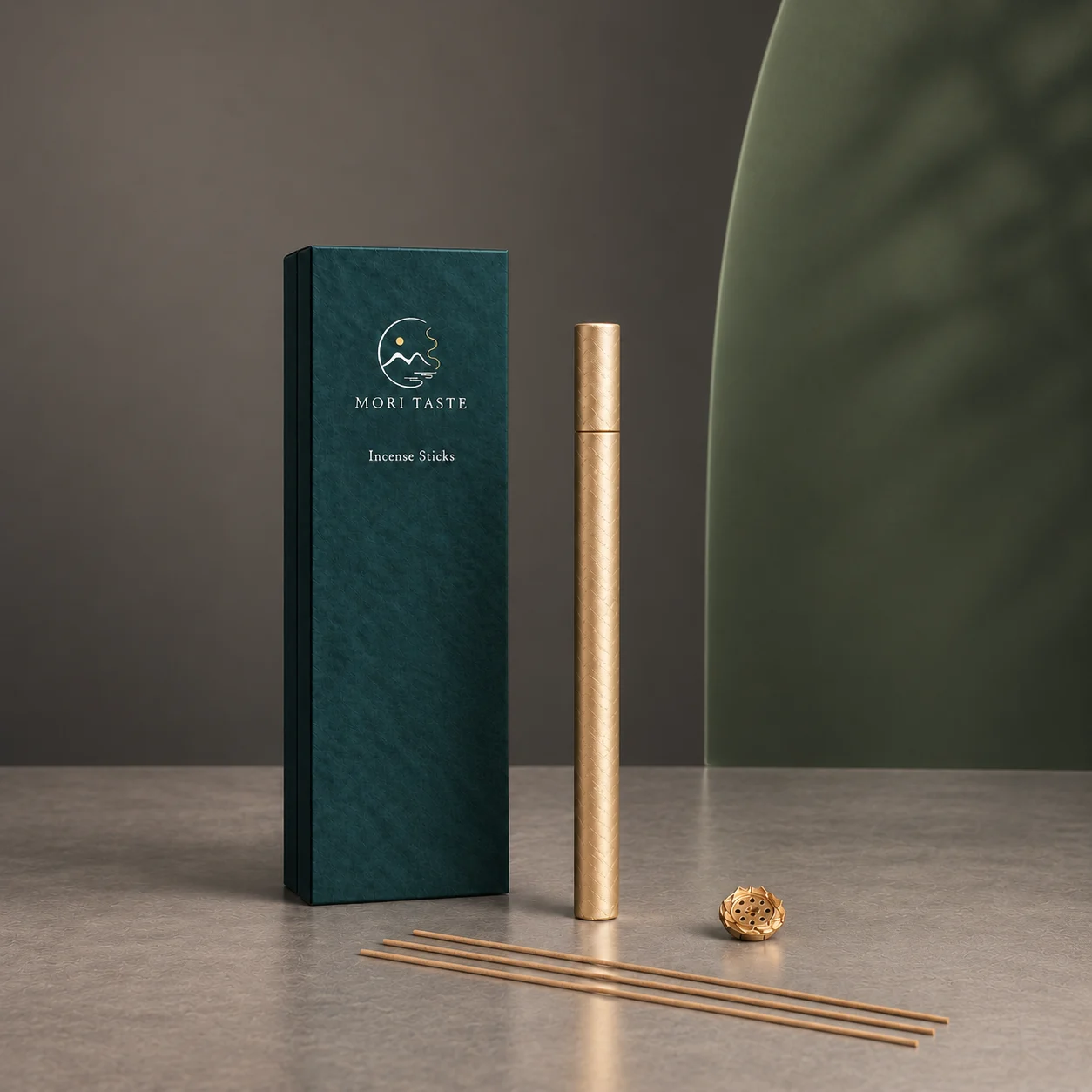
MORI TASTE's Ancient Rainforest Nha Trang Agarwood Incense Sticks have a deep, refined, resinous woody profile and a reference burn time of about 30–60 minutes per stick. The small gold-toned holder included with the product supports the stick but does not catch its full line of ash. Place it inside a separate heat-resistant ash tray for regular use.
Coils: better for a planned, longer session
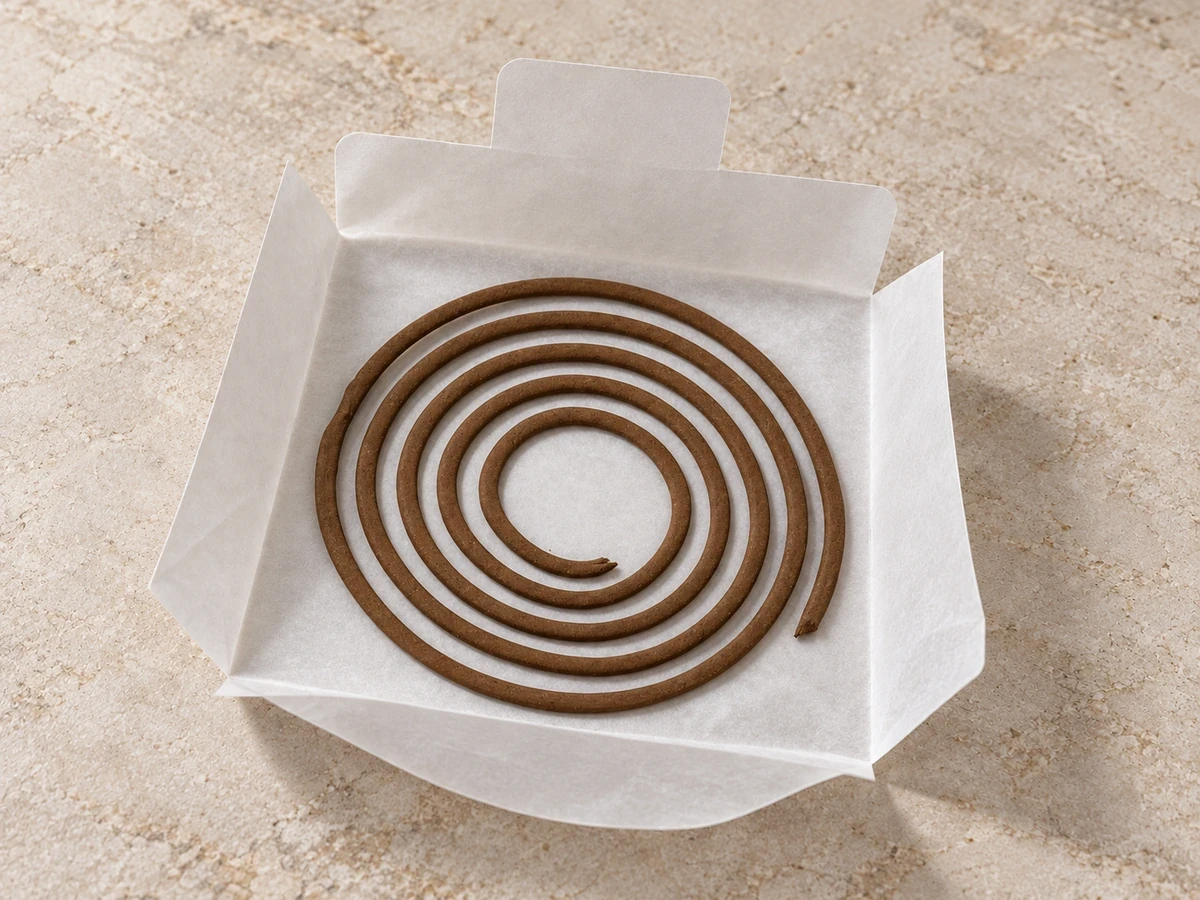
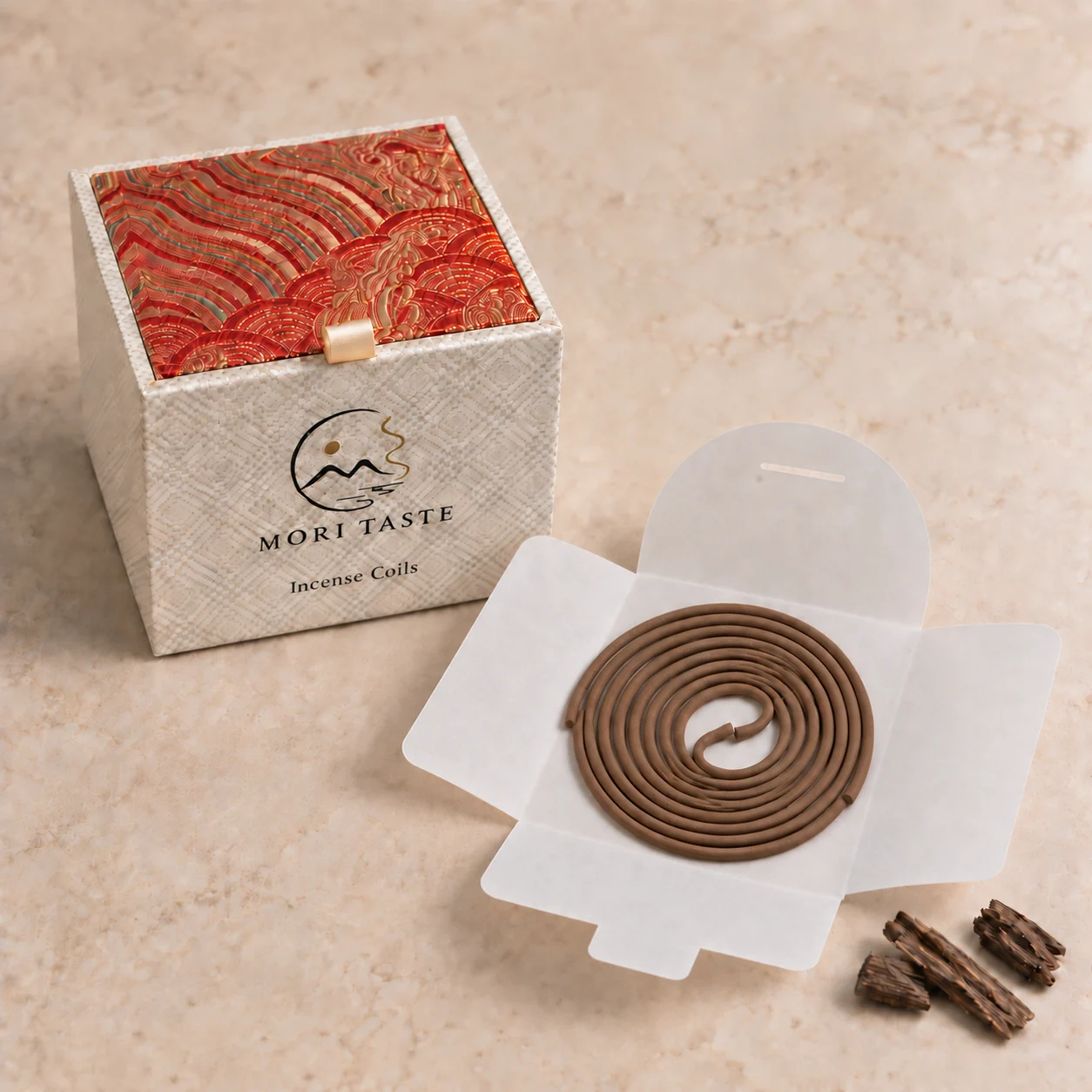
A coil makes sense when you want the fragrance to continue for a longer period and can remain nearby throughout the burn. Deep Forest Agarwood Coil Incense is described as deep, warm, and woody. After the paired coils are separated, one coil has a reference burn time of about 90–120 minutes.
Longer does not automatically mean better for a first purchase. If you are unsure whether you enjoy a deep, resinous wood scent, try a shorter or medium-length format first. That is also the more practical choice for a small room with limited ventilation. A coil needs full support from a suitable burner, and its wrapping paper is packaging rather than a fireproof pad.
Backflow cones: for scent plus a visual smoke effect
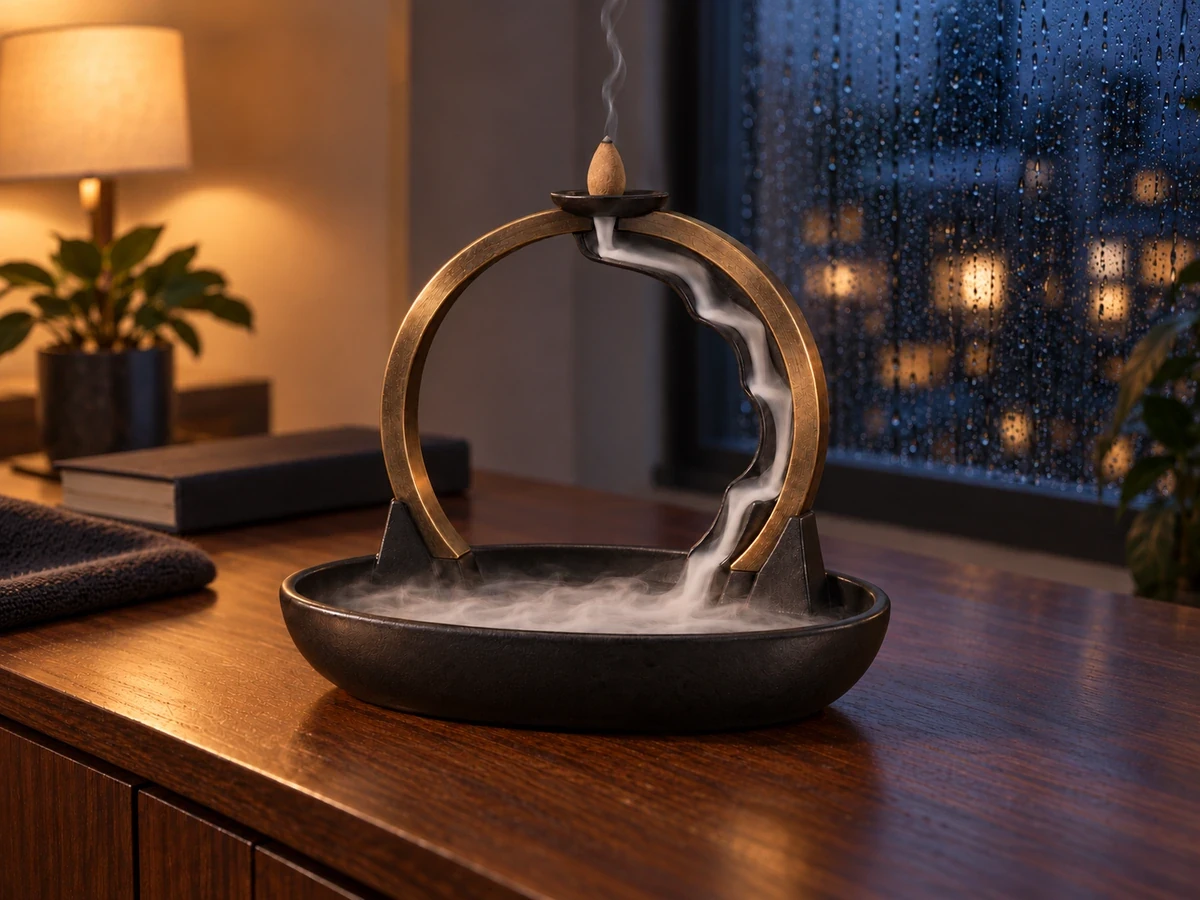
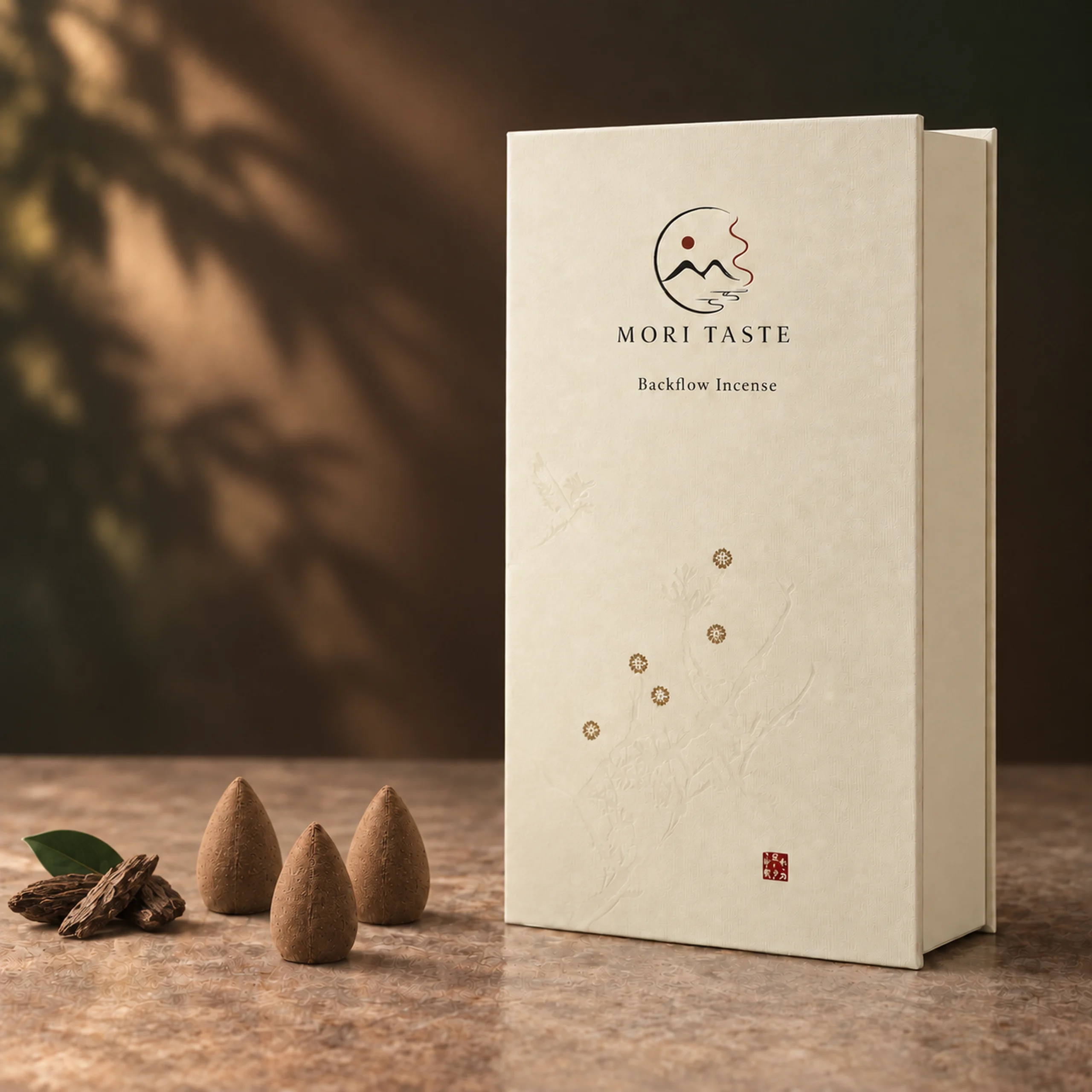
A backflow cone has a channel through its base that must align with the intake opening on a dedicated backflow burner. Island Oud Indonesian Agarwood Backflow Incense Cones have a deep, woody, resinous profile and a reference burn time of about 10–15 minutes per cone.
This format is a practical choice if you already own a compatible burner and want to watch smoke travel downward during a shorter session. Burner design, hole alignment, airflow, and residue inside the smoke path can all affect the result. Backflow smoke may also leave ash or an oily film on the burner. If scent is your only priority, you do not need to buy a backflow setup for your first agarwood experience.
Why Does Agarwood Incense Often Cost More?
Agarwood forms through a complex natural process, and the availability and value of the raw material can vary widely. A finished product's price may reflect its materials, formulation, processing, quantity, packaging, and business costs. Price alone cannot tell you whether an incense is pure or whether you will enjoy it.
At MORI TASTE, agarwood products are priced above some other scent options because the agarwood materials cost more to purchase. For this brand, the price difference comes directly from higher material procurement costs. It does not establish a specific agarwood percentage, geographic grade, medical benefit, or absolute level of quality.
For a first purchase, concrete information is more useful than the highest price. Look for a clear scent profile, a description of the finished formula, burn time, package contents, and holder requirements. Those details tell you more about the experience than unsupported words such as luxury, premium, or rare.
A First-Time Buyer's Checklist
- Write down the scents you like and dislike. Agarwood may suit you if you enjoy deep, resinous, dry, or lightly spicy woods. Sandalwood may be a closer match if you prefer a softer and creamier wood fragrance.
- Read the finished-product description. Check whether the brand identifies agarwood powder, an agarwood-derived aromatic ingredient, or only an oud scent direction. Look for any other woods, botanical materials, and binders the maker discloses.
- Choose a format based on the time you can stay nearby. Ten minutes, roughly half an hour, and more than an hour are different commitments. A longer burn is not automatically a better value.
- Confirm holder compatibility before ordering. Sticks need enough ash-catching length, coils need complete support, and backflow cones need a burner with matching smoke openings.
- Do not treat price as proof of purity. Cost and market position cannot replace specific information about formulation, sourcing, or product specifications.
- Plan appropriate ventilation for the first burn. Use one piece at a time, keep it away from strong drafts, and notice how you respond to both the fragrance and the smoke. Stop using it if you feel uncomfortable.
If you're still not sure which form suits your space, take the MORI TASTE scent recommendation quiz and then compare its result with your available time and current incense holder.
How to Burn Agarwood Incense Safely
Agarwood incense still involves heat, an ember, falling ash, and indoor smoke. A natural material, a higher price, or refined packaging does not remove those risks.
- Use a stable, heat-resistant, nonflammable holder designed for the incense format. Make sure it catches all falling ash.
- Place it on a level, uncluttered surface. The Seattle Fire Department recommends keeping candles and incense at least 12 inches from anything that can burn. Keep incense, matches, and lighters away from children and pets.
- Maintain appropriate ventilation. The U.S. Environmental Protection Agency specifically recommends proper ventilation when burning candles and incense indoors. Avoid placing incense directly in front of a fan, air-conditioning vent, or strong cross-draft, which can scatter ash and disrupt backflow smoke.
- Stay present throughout the burn. Extinguish the incense before leaving the room or going to sleep, and do not assume that an ember is out simply because the expected burn time has passed.
- Let the ash and holder cool completely before moving or cleaning them. Clean the channels and surface of a backflow burner according to its care instructions.
- Stop burning the incense and move away from the smoke if the fragrance or smoke causes discomfort.
This article provides general purchasing and use information. It is not medical advice, and it does not claim that agarwood incense treats anxiety, improves sleep, or purifies indoor air.
Domande Frequenti
Are agarwood and oud the same thing?
In many fragrance and incense contexts, oud refers to agarwood or an aroma based on it. A product name may still refer to raw wood, powder, oil, an aromatic ingredient, or a blended fragrance direction. Read the actual product description before deciding what the label means.
Is agarwood incense always strong or smoky?
No. Deep wood and resin are common directions, but sweetness, spice, smokiness, and diffusion vary with the material, formula, format, and room. A detailed scent description is more useful than a generic label such as strong oud.
Is agarwood or sandalwood better for a beginner?
It depends on your taste. Sandalwood may feel more approachable if you like soft, rounded, creamy wood scents. Agarwood may suit you if you prefer a deeper, more resinous wood with greater variation as it burns. Neither material is inherently better.
Should a first-time buyer choose sticks, coils, or backflow cones?
Sticks are the most direct choice for most people who want to evaluate the fragrance. Choose a coil if you already enjoy agarwood and want a longer supervised session. Choose backflow cones if you own a compatible burner and value the downward smoke display.
Does a higher price mean the incense contains more agarwood?
Not necessarily. Price can reflect materials, formulation, processing, quantity, packaging, and business costs. Unless a brand provides verifiable formulation or testing information, you cannot calculate purity or agarwood percentage from price alone.
How to Choose Your First Agarwood Incense
Agarwood incense generally centers on a deep, resinous wood scent, but it is not one fixed fragrance. Start by deciding whether that direction appeals to you, then compare the finished formula, burn time, holder, and room conditions. A stick is the most practical starting point for many beginners. A coil suits a longer planned session, while a backflow cone is best for someone who already has a dedicated burner and wants the visual smoke effect.
The most useful product information tells you how the incense is likely to smell, how long one piece burns, and which holder it requires. It should also identify the materials and any practical limits. That approach will help you choose an agarwood incense that fits your space and routine instead of buying solely because the label says oud, rare, or premium.
Which format would you choose for your first agarwood incense—sticks, coils, or backflow cones—and what matters most to you: scent, burn time, or the visual smoke effect?
 VISUALIZZA PRODOTTO
 VISUALIZZA PRODOTTO
 VISUALIZZA PRODOTTO
Leave a Comment
All fields are required
Your comment will appear after approval